
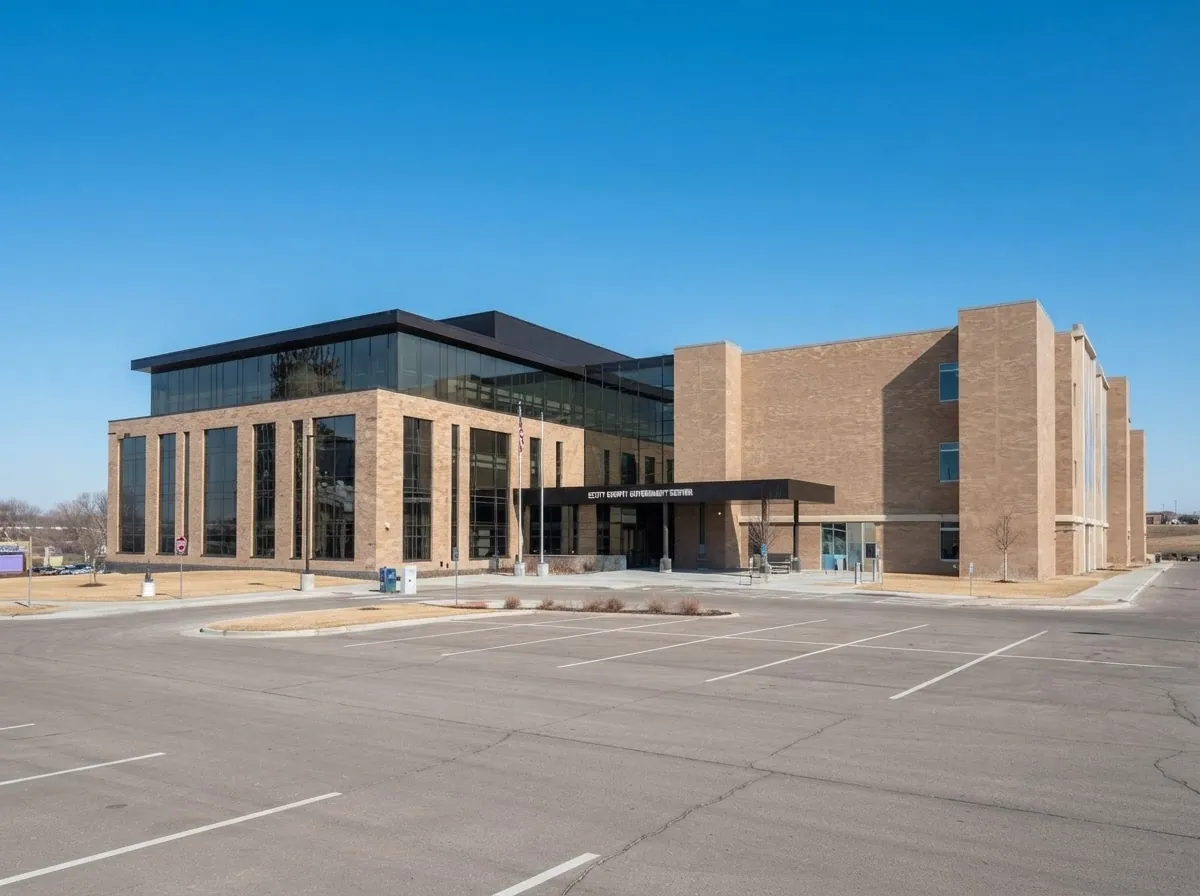
Court records of Scott County, Minnesota, are maintained by the district court clerk's office and are accessible through online tools, official court portals, and directly at the clerk's office. ScottCourt.us allows you to quickly find publicly available information about court cases in this county. Additional sources include the Minnesota Court Records Online (MCRO) system, the Scott County District Court page on the Minnesota Judicial Branch website, and the court clerk's office, which can be contacted in person or by phone.
Scott Court System Overview
Scott County is part of the First Judicial District of Minnesota, which also includes Carver, Dakota, Goodhue, Le Sueur, McLeod, Sibley, and Scott counties. The district court is the only general jurisdiction court at the state level, and it handles all categories of cases: from criminal to family and probate. Minnesota does not have a separate magistrate court as an independent institution — magistrate judges work within the district court.
Scott County District Court is located in the Scott County Courthouse building:
The court operates on business days; the exact hours can be confirmed by calling the provided phone number.
Courts Serving Scott
Residents of Scott County are served by several court instances at different levels.
State District Court
Federal District Court
Scott County falls under the jurisdiction of the U.S. District Court for the District of Minnesota.
Federal Bankruptcy Court
There are no municipal courts in Scott County — all local-level cases are handled by the state district court.
What Types of Cases Scott Courts Hear
The district court in Scott County hears virtually the entire spectrum of cases provided by Minnesota law:
- Criminal cases: felonies, misdemeanors, petty misdemeanors
- Traffic violations, including DUI/DWI
- Civil lawsuits of various scales, including small claims cases
- Family law: divorce, custody, child support, paternity, protective orders
- Probate cases: estate administration, guardianship, conservatorship
- Juvenile cases: offenses, child protection, adoption
District Court Cases in Scott
The Scott County District Court is a court of general jurisdiction and hears all criminal cases — from minor offenses to serious felonies. Criminal prosecution begins with the prosecutor filing a criminal complaint, after which a judge is assigned according to the internal case distribution. Civil lawsuits of any amount are also filed here. Cases challenging administrative agency decisions and post-conviction motions (such as for sentence review) are also heard by the district court. A district court judge presides; cases are distributed among the judges of the First Judicial District who work in the courthouse in Shakopee.
Magistrate Court Cases in Scott
Minnesota does not have a separate magistrate court. Instead, certain cases are heard by referees or magistrates who work within the district court. They typically handle:
- Misdemeanors and petty offenses
- Preliminary hearings in felony cases
- Traffic violations and DWI cases
- Small claims cases — up to $15,000 according to Minnesota law
- Civil cases within a defined jurisdictional amount (conciliation court)
Conciliation court in Minnesota hears claims up to $15,000. Decisions of this court can be appealed to the district court by filing a motion for removal.
Family Law, Probate, and Juvenile Matters in Scott
Family Law
Divorce, custody determination, child support collection, paternity establishment, and issuance of protective orders are all handled by the district court in Shakopee. Certified copies of divorce decrees can be obtained from the district court clerk's office where the decision was made.
Probate Cases
Probate cases include the administration of deceased estates, appointment of guardians and conservators, and trust matters. These cases are handled by a specialized division of the district court. Filing begins with a petition to the court.
Juvenile Cases
Juvenile offense cases and child protection cases are heard by the district court. Juvenile records are confidential under Minnesota law, and access to them is restricted. Scott County Detention Center may temporarily hold juvenile offenders until a suitable placement is determined.
How Cases Move Through the Scott Court System
- Case Initiation. A criminal case begins with the prosecutor filing a complaint; a civil case with a complaint; a family or probate case with a petition.
- Judge Assignment. The case is distributed among the judges of the First Judicial District who work in Scott County.
- Initial Hearings. In criminal cases — arraignment; in civil cases — scheduling conference.
- Pretrial Phase. Filing motions, exchanging evidence (discovery), plea negotiations in criminal cases, or settlement negotiations in civil cases.
- Trial or Resolution. The case may conclude with a plea agreement, jury verdict, settlement agreement, or default judgment.
- Post-Judgment. Sentencing, filing an appeal, enforcing the court's decision.
Court Administration, Local Rules, and Public Access in Scott
Court administration in Scott County is managed by the Court Administrator, who reports to the administrative judge of the First Judicial District. You can contact the court administration by calling (952) 496-8200 or visiting the Scott County District Court page on the Judicial Branch website.
Local rules of the First Judicial District are published on the Minnesota Judicial Branch website. These rules govern the filing of documents, deadlines, and procedural requirements.
According to the Minnesota Rules of Public Access to Records of the Judicial Branch, most court records are public. However, some categories of records have restricted access — including juvenile cases, mental health records, and certain family cases. To view public records online, use the MCRO search system. Note: MCRO provides limited access and is not an official court record.
Hearings can be attended in person at the courthouse. Some hearings are conducted remotely — check the procedure for participating in a specific hearing with the court clerk's office.
Court Records and Related Court Resources in Scott
- Online Case Search: Minnesota Court Records Online (MCRO) provides access to many public records of district courts in the state, including Scott County.
- Document Copy Requests: The procedure for obtaining copies of court documents is described on the Copy Requests page of the Scott County District Court. Information can also be viewed on public terminals in the courthouse.
- Sheriff's Records: The Sheriff's Office Records Division maintains criminal history, investigative reports, and criminal files.
- Jail Roster: The current Scott County Jail Roster is available online.
- Warrants: Information about arrest warrants in Scott County can be obtained by calling 952-496-8314.
- Crime Map: The Community Crime Map syncs with the Sheriff's Office records system and shows current crime information in the county.
- Land Records: The Land Records Division of Scott County is responsible for registering real estate documents. Document searches can be conducted through the online search tool.
- State Offender Search: The Minnesota Department of Corrections allows you to search for information about individuals under state correctional supervision and wanted persons.
- County Data Requests: To obtain other public records of Scott County, use the data request portal.
- Property and Tax Information: Property information search and tax payment are available on the county website.